Stormy Seas
Site under active development. Expect omissions and errors.

Battle of Kinsale

1601 was a pivotal year in Ireland
The battle in the coastal town of Kinsale
determined the fate of the island and her people to this day.

History

The Battle of Kinsale, fought on December 24, 1601, marked a pivotal moment in Irish history, signaling the end of the Nine Years' War and the consolidation of English rule over Ireland. The battle pitted an alliance of Gaelic Irish lords, led by Hugh O'Neill, Earl of Tyrone, and Red Hugh O'Donnell, against an English army commanded by Lord Mountjoy, with Spanish support for the Irish cause.

The events leading up to the battle were complex and multifaceted. The Nine Years' War, which erupted in 1594, was a rebellion by Gaelic lords against English rule. O'Neill and O'Donnell, seeking to regain their lost lands and revive Gaelic culture, sought Spanish assistance. In 1601, a Spanish force landed at Kinsale, a strategically important port in southern Ireland, to bolster the Irish cause.

The ensuing battle was a decisive clash between two opposing forces. The English army, under the leadership of Mountjoy, employed advanced tactics and artillery, while the Irish-Spanish alliance relied on traditional Gaelic warfare strategies. Despite their numerical advantage, the Irish-Spanish forces were outmatched by the English in terms of discipline, weaponry, and leadership.

The battle ended in a resounding defeat for the Irish-Spanish alliance. O'Neill and O'Donnell were forced to retreat, and the Spanish forces were captured. The defeat at Kinsale marked the turning point in the Nine Years' War, effectively ending the Gaelic lords' resistance and paving the way for English dominance over Ireland.

The Battle

How a single stormy dawn shattered a thousand-year sovereignty.

The Standoff at Kinsale

By December 1601, the coastal town of Kinsale had become the focal point of European power. Walled, muddy, and freezing, the harbor was locked in a deadly double encirclement: Spanish forces were trapped inside the town, surrounded by Lord Mountjoy’s besieging English army, who were in turn surrounded by the arriving Gaelic lords.

Starving and dying from disease in the winter cold, the English were on the brink of collapse. Against his better judgment, Gaelic Commander Hugh O'Neill was pressured into launching a risky night assault to break the siege.

The Siege of Kinsale

The Decisive Charge

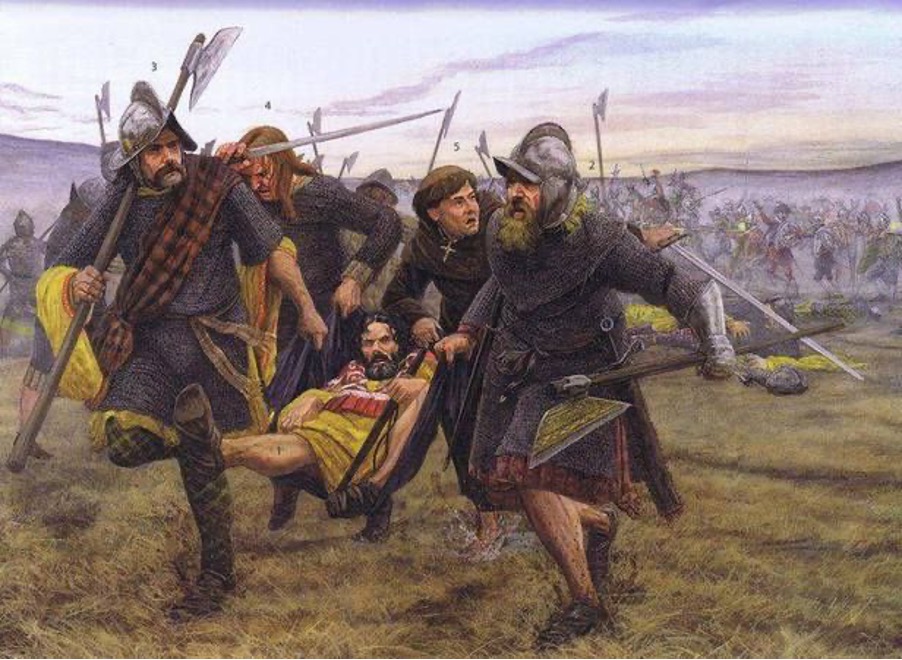
In the dark hours of Christmas Eve, O'Neill's night march descended into chaos under a torrential winter thunderstorm. Disoriented and exhausted, the Gaelic forces lost the element of surprise as English scouts detected their movement.

Sensing the disorganization, Lord Mountjoy unleashed a disciplined, aggressive cavalry charge across the boggy terrain. The unexpected strike shattered the Irish vanguard, triggering a sudden panic and rout that broke the spine of the rebellion.

English Cavalry Charge
Battle of Kinsale charging lines
"A night march lost to the elements..."

Trace the Disaster at Dawn

Step onto the boggy hills of Millwater on that fateful morning. Experience the sequence of confusion, the sudden English cavalry charges, and the ultimate rout.

Consequences

The Battle of Kinsale, fought on December 24, 1601, marked a turning point in Irish history, effectively ending the Gaelic Irish resistance to English rule. The battle, which saw an English-led army defeat a combined force of Gaelic Irish and Spanish troops, had far-reaching consequences for Ireland, shaping the country's political, social, and religious landscape for centuries to come.

End of Gaelic Irish Resistance :

The defeat at Kinsale dealt a severe blow to the Gaelic Irish aristocracy, shattering their hopes of regaining control of Ireland. With their military leaders subdued, the Gaelic lords were forced to surrender their lands and titles to the English Crown, marking the end of their traditional system of rule.
English Consolidation of Power :

The English victory at Kinsale solidified their control over Ireland, paving the way for a more centralized administration. The English Crown implemented policies aimed at anglicizing the Irish population, suppressing Gaelic culture and language, and establishing Protestantism as the dominant religion.
Flight of the Earls :

In the aftermath of Kinsale, many Gaelic lords, fearing further persecution, chose to flee Ireland, taking with them their wealth, knowledge, and cultural traditions. This exodus, known as the Flight of the Earls, further weakened the Gaelic Irish and accelerated the Anglicization of Ireland.
Plantations and Land Confiscation :

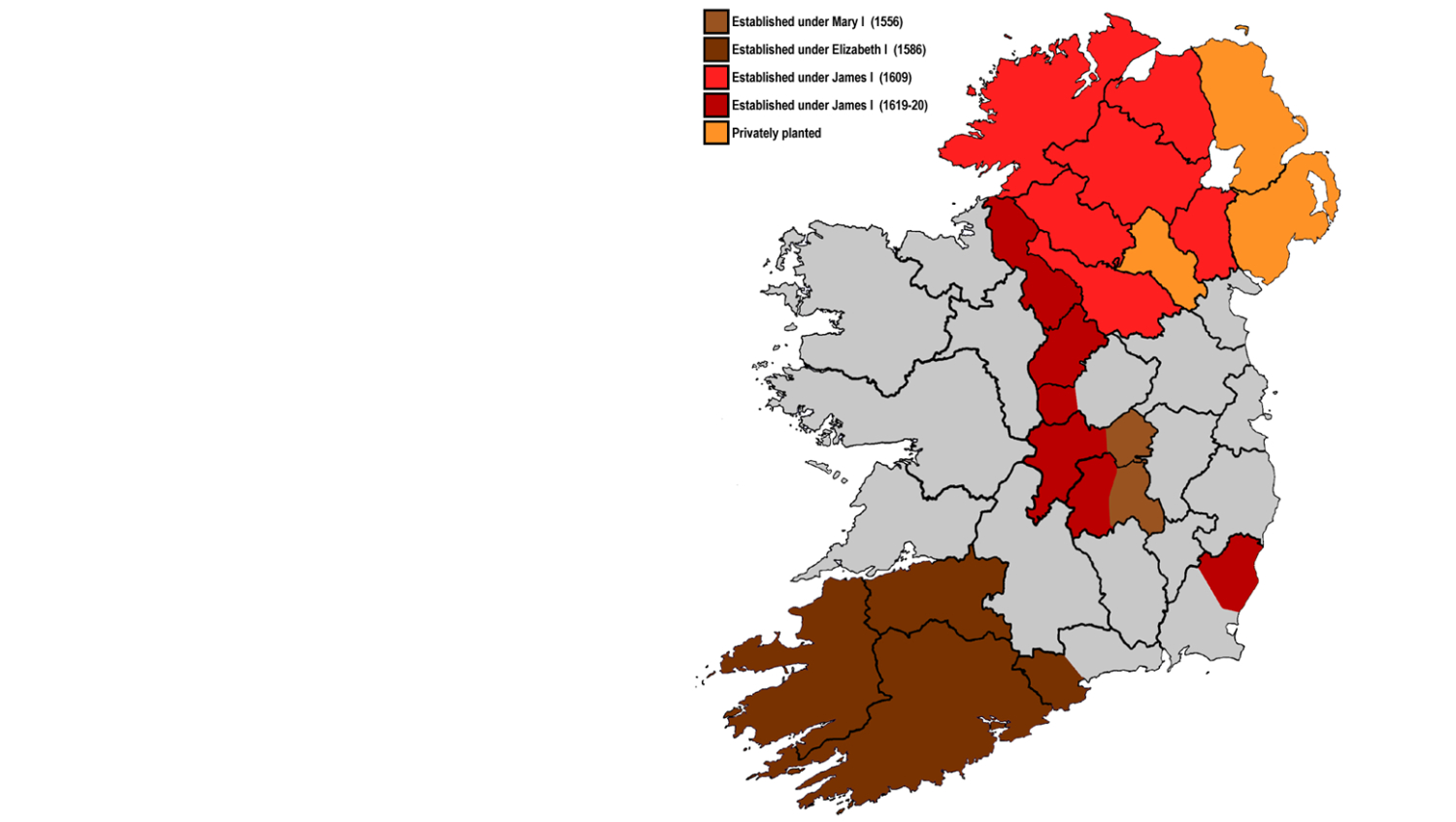
The English government sought to secure its control over Ireland by confiscating land from Gaelic lords and granting it to English and Scottish settlers. These plantations, particularly in Ulster, led to widespread displacement of the native Irish population and contributed to ethnic tensions.
Suppression of Gaelic Culture :

Under English rule, Gaelic culture was actively suppressed. The Irish language was discouraged, Gaelic schools were closed, and traditional practices were outlawed. This suppression of Gaelic heritage had a profound impact on Irish identity and culture.
Economic Deprivation :

The policies of the English government and the confiscation of Gaelic lands contributed to widespread economic hardship in Ireland. The native Irish population was often marginalized and excluded from opportunities for economic advancement.

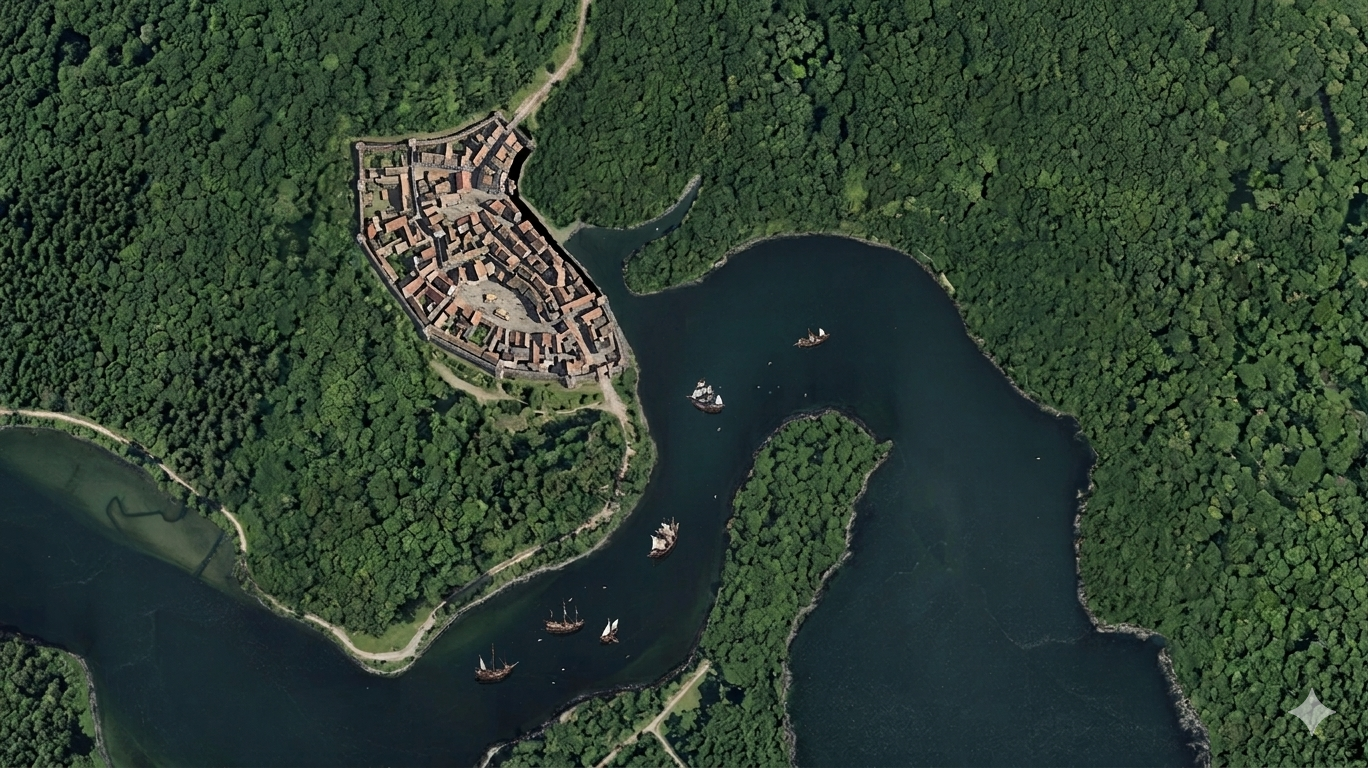
See Kinsale in 1601

Present Day

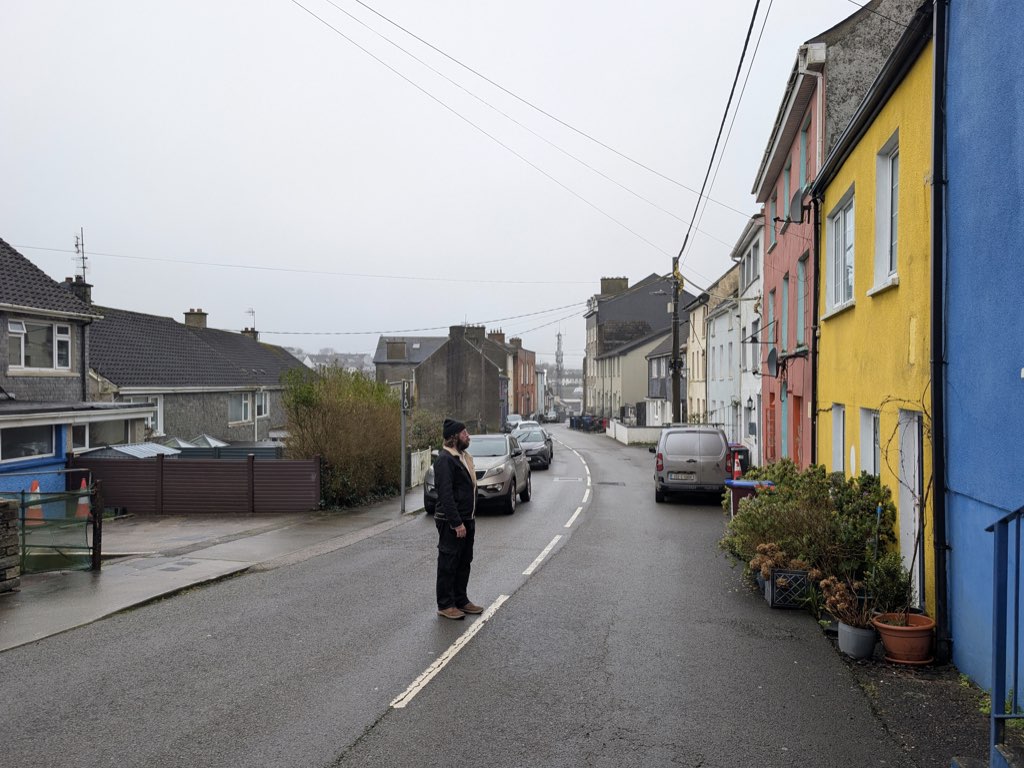
Kinsale Walls

Kinsale was originally a walled town which were erected in the late 1300's and remained as a line of defense against the native Irish until their eventual neglect and dismantling in the late 1600's

Present Day

Cork Street

Originally Cork Gate, this was the most built out section of the town walls with a tower housing accomodation and occasionally a prison.

Present Day

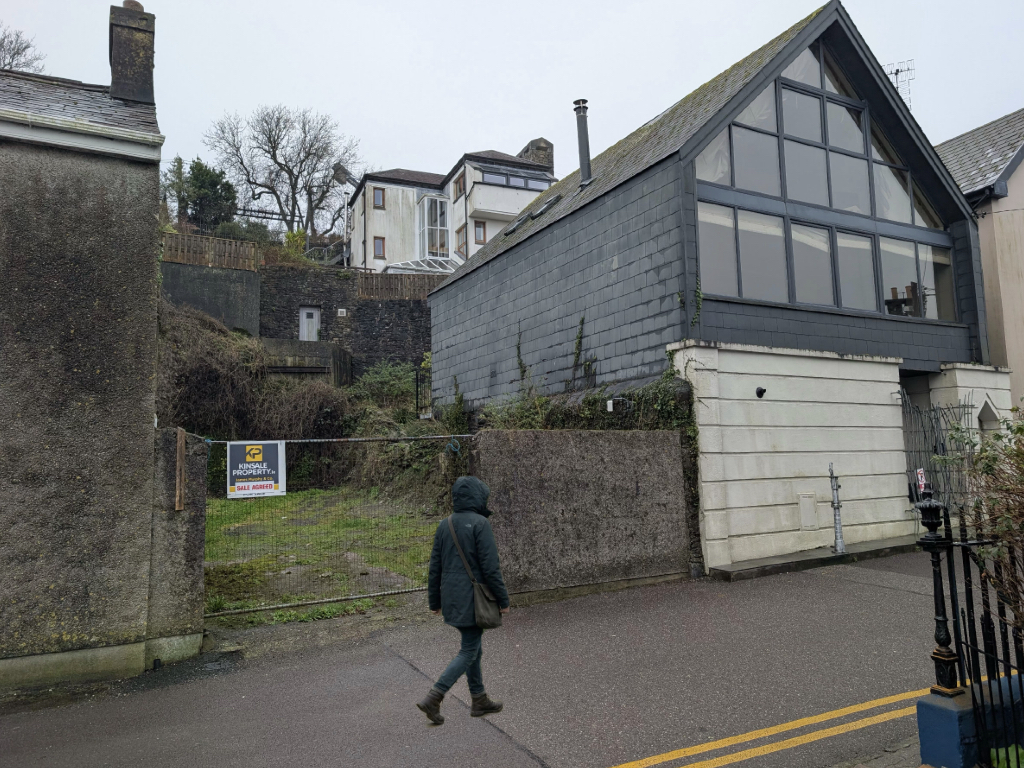
World's End

As far as Kinsale residents were concerned, anything outside this Western gate was the end of the world so the moniker stuck.

Present Day

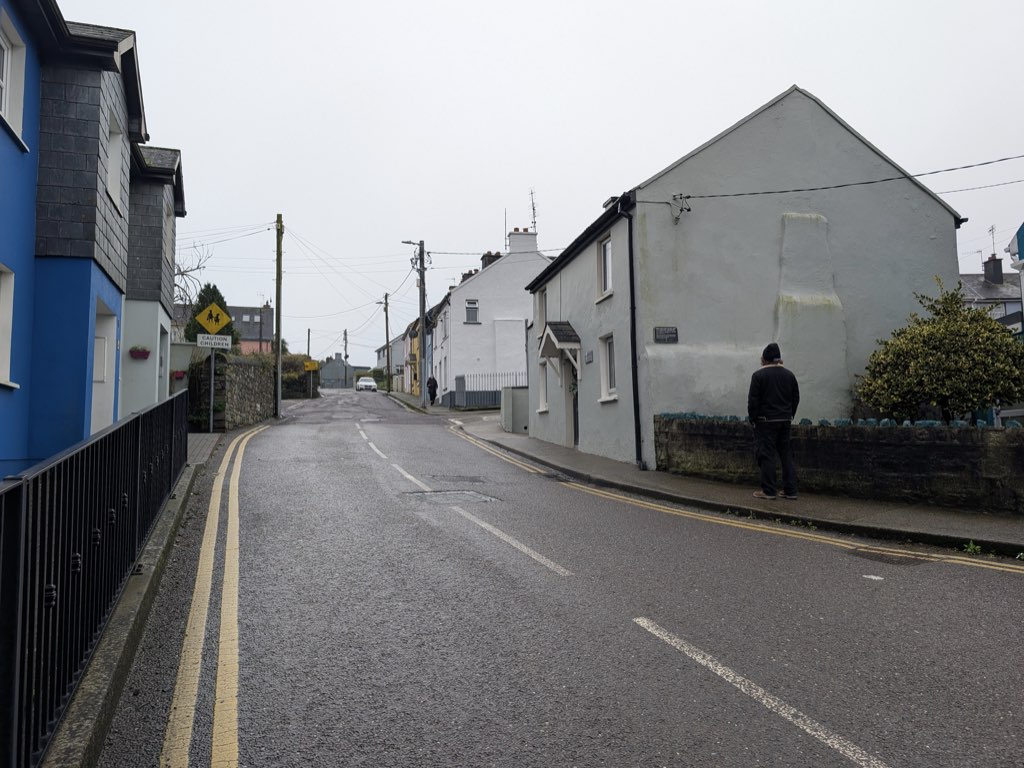
Blind Gate

This gate had a lot of smuggling and difficult interactions between the town English and the native Irish exiled outside. The gate was eventually sealed hence the "Blind" moniker. A channel down the middle of the road carried the waste from each house.

Present Day

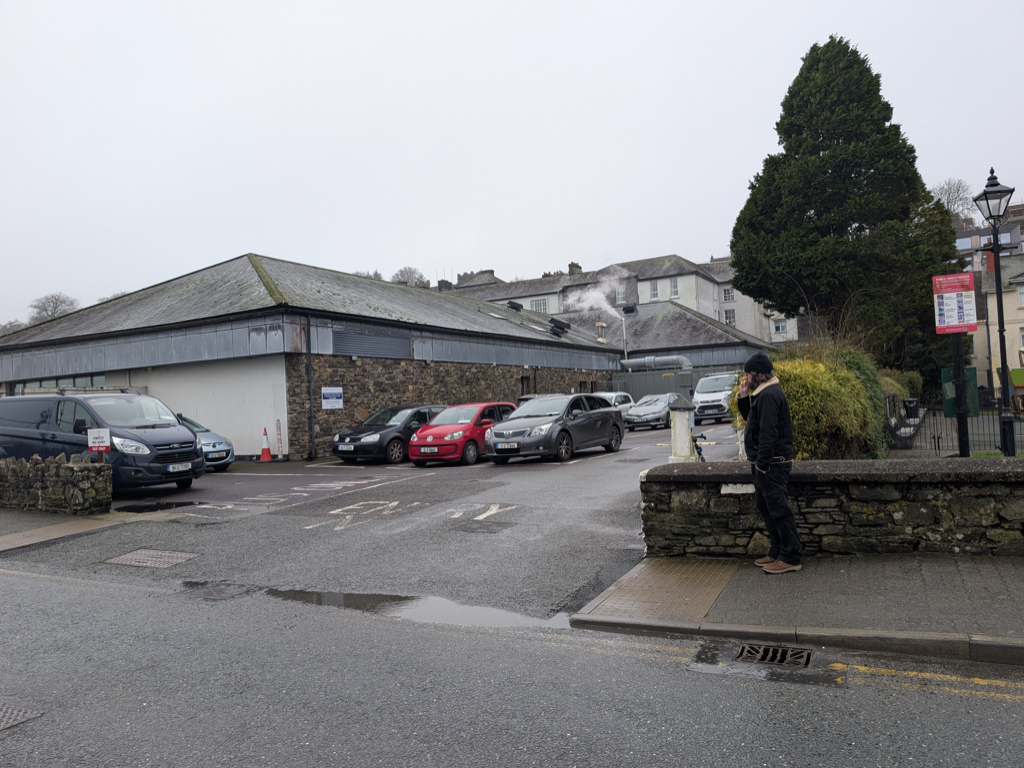
Pier Road

Old Queens Castle was the original structure that was where a swimming pool now sits. The town shorefront has been gradually reclaimed over the intervening centuries. The Spanish Cross of Burgundy flies over the town as the Spanish occupied it during the Siege of Kinsale.