End of Gaelic Irish Resistance
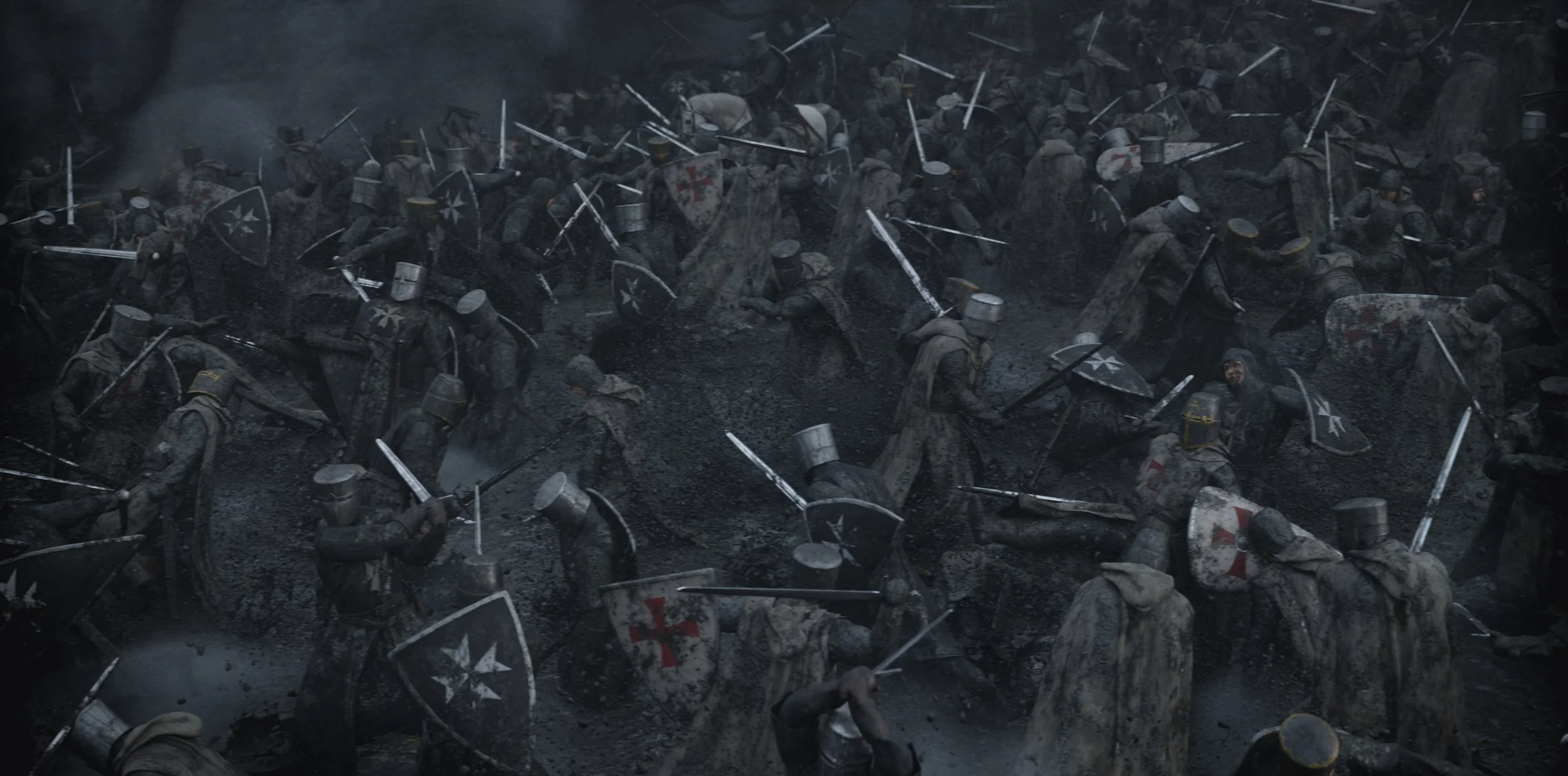
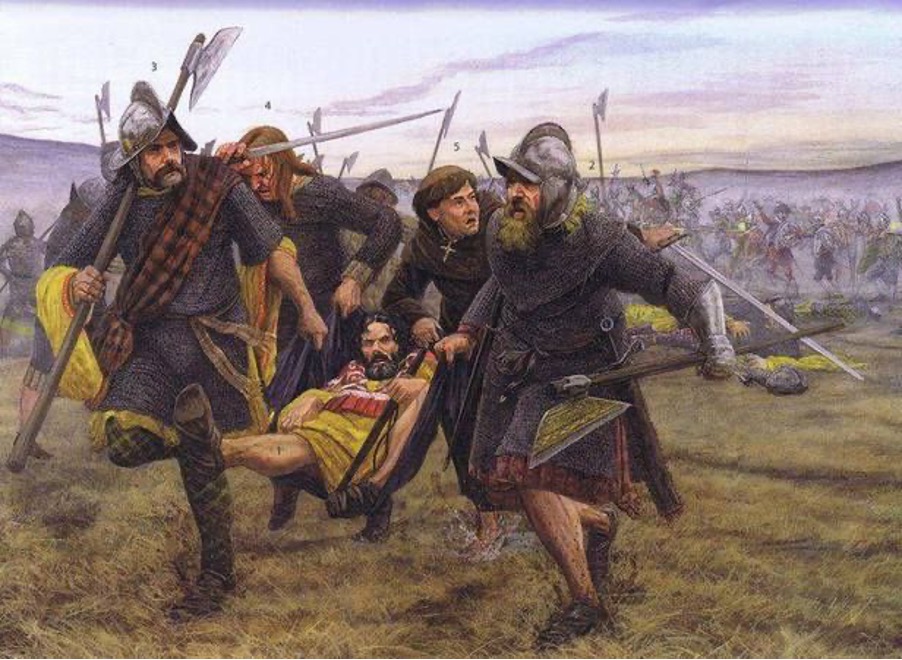
The defeat at Kinsale dealt a severe blow to the Gaelic Irish aristocracy, shattering their hopes of regaining control of Ireland. With their military leaders subdued, the Gaelic lords were forced to surrender their lands and titles to the English Crown, marking the end of their traditional system of rule.
English Consolidation of Power
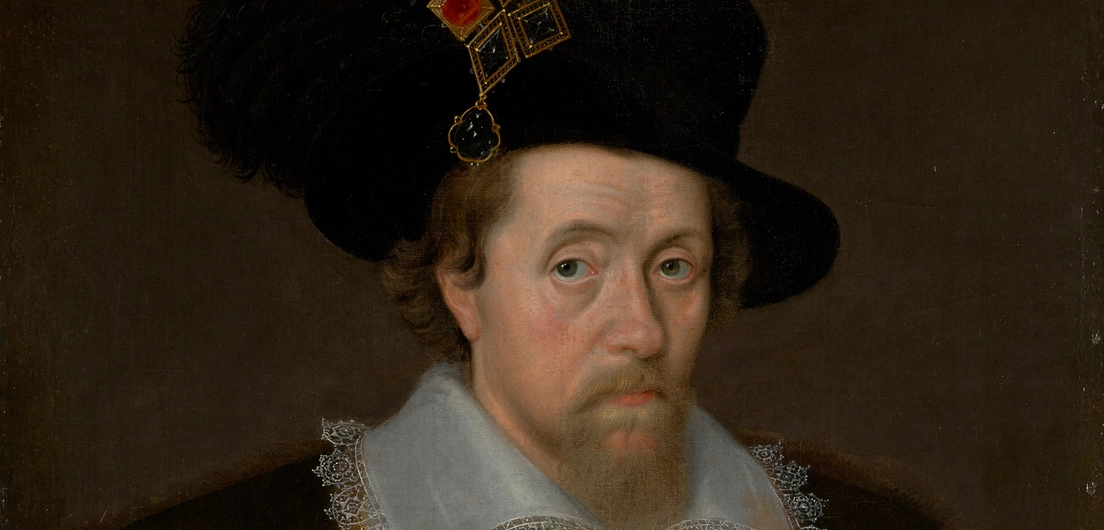
The English victory at Kinsale solidified their control over Ireland, paving the way for a more centralized administration. The English Crown implemented policies aimed at anglicizing the Irish population, suppressing Gaelic culture and language, and establishing Protestantism as the dominant religion.
Flight of the Earls
In the aftermath of Kinsale, many Gaelic lords, fearing further persecution, chose to flee Ireland, taking with them their wealth, knowledge, and cultural traditions. This exodus, known as the Flight of the Earls, further weakened the Gaelic Irish and accelerated the Anglicization of Ireland.
Plantations and Land Confiscation
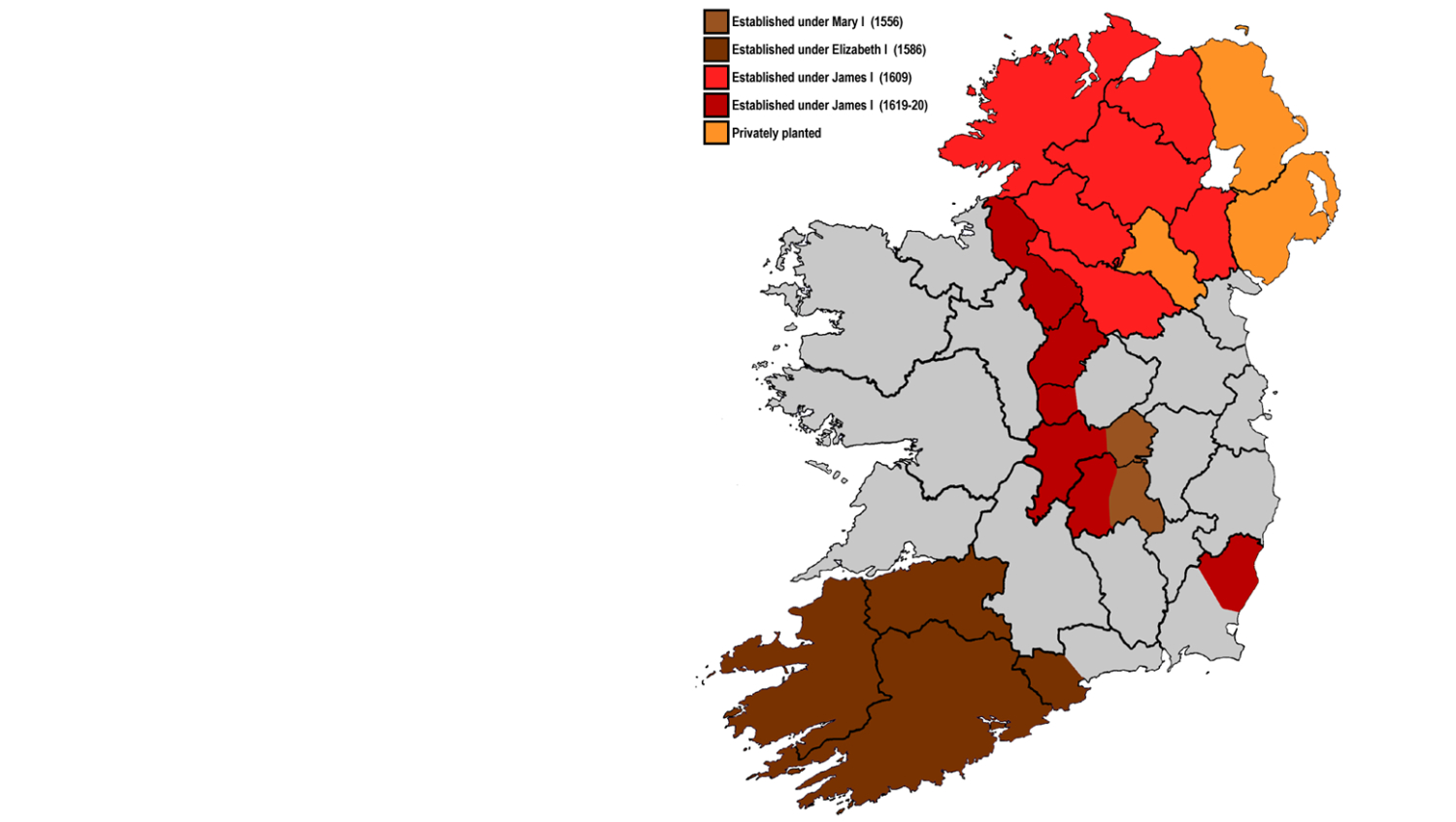
The English government sought to secure its control over Ireland by confiscating land from Gaelic lords and granting it to English and Scottish settlers. These plantations, particularly in Ulster, led to widespread displacement of the native Irish population and contributed to ethnic tensions.
Suppression of Gaelic Culture
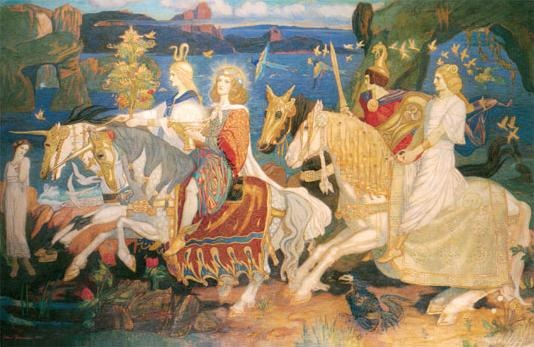
Under English rule, Gaelic culture was actively suppressed. The Irish language was discouraged, Gaelic schools were closed, and traditional practices were outlawed. This suppression of Gaelic heritage had a profound impact on Irish identity and culture.
Economic Deprivation
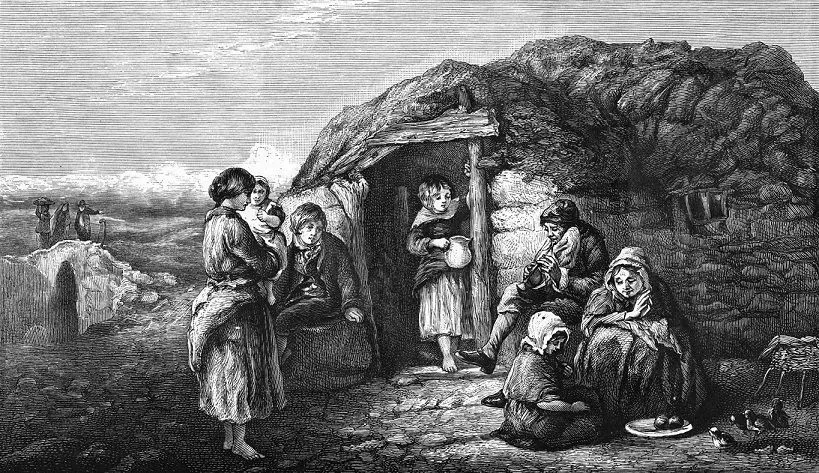
The policies of the English government and the confiscation of Gaelic lands contributed to widespread economic hardship in Ireland. The native Irish population was often marginalized and excluded from opportunities for economic advancement.