
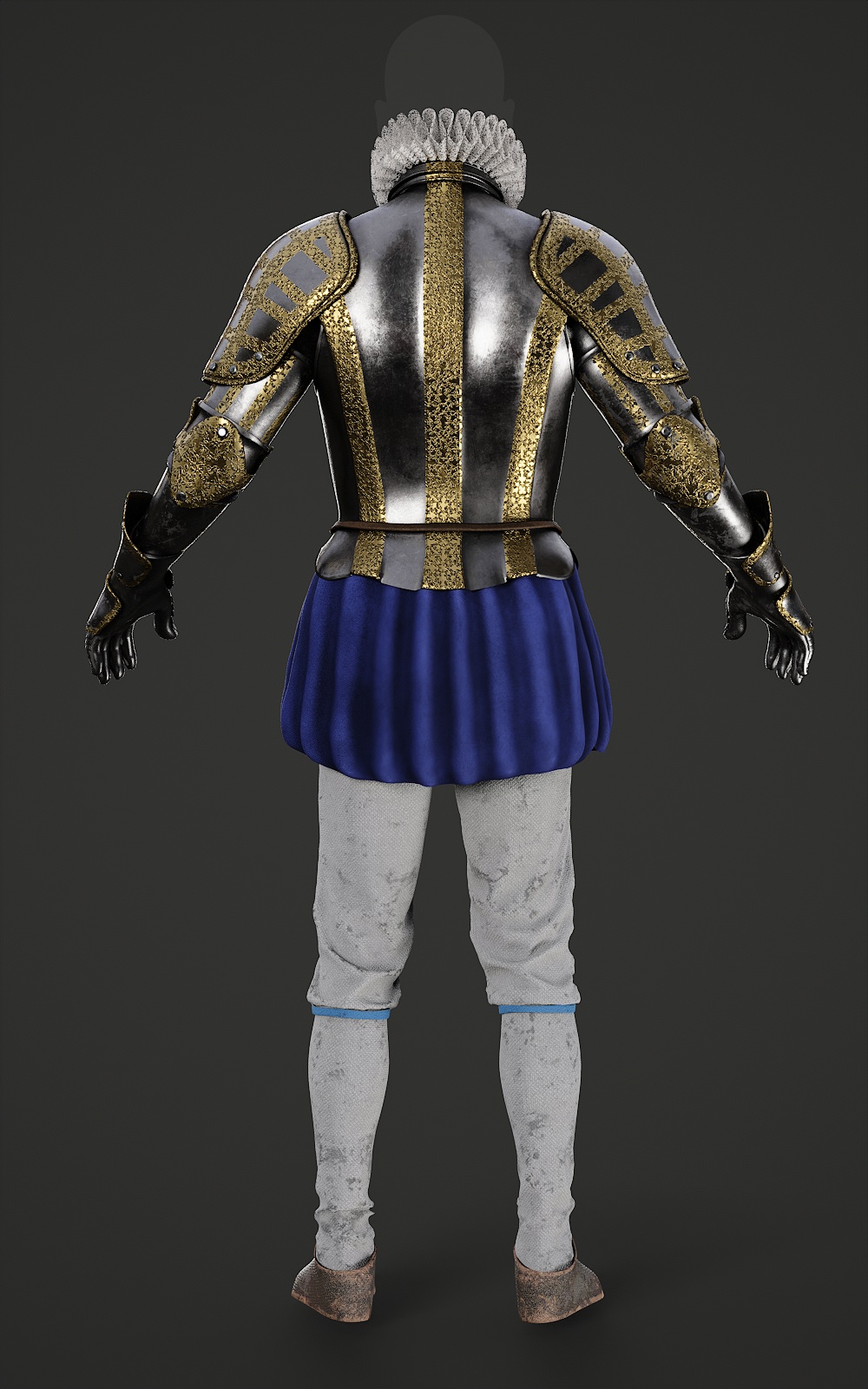
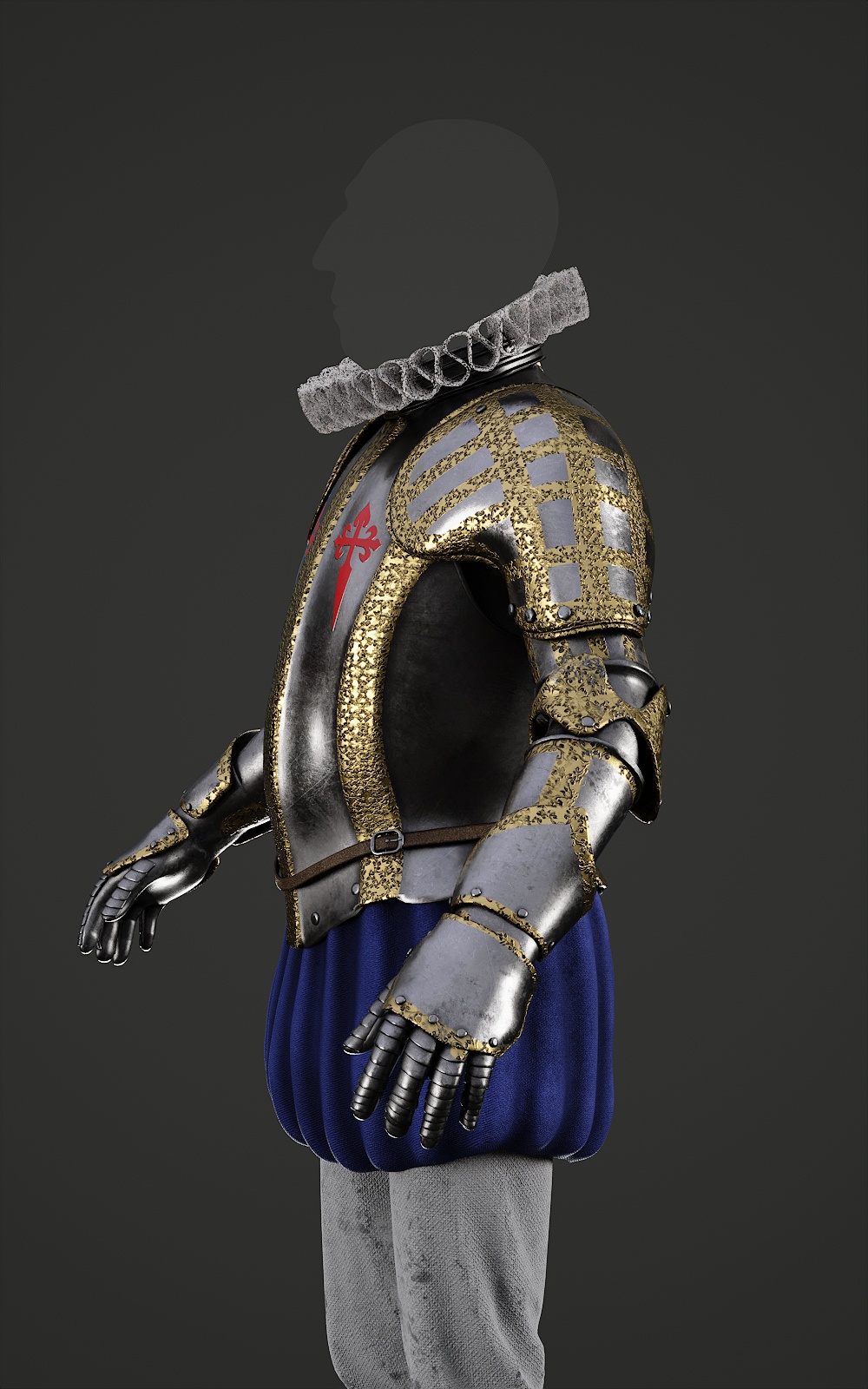
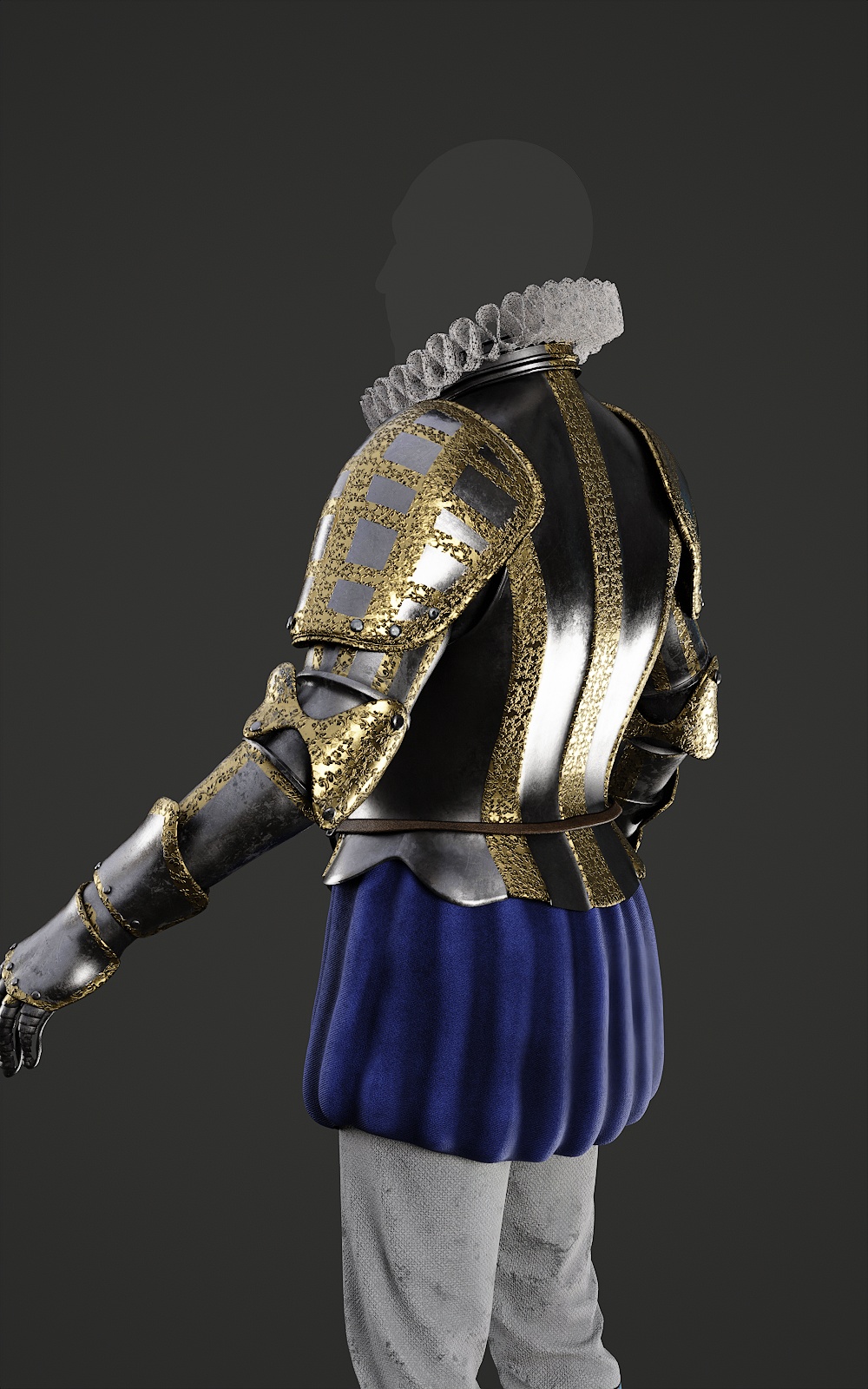

Commander Profile
- Born
- 1545
Ávila, Spain - Died
- August 1602
A Coruña, Spain - Allegiance
- Spanish Empire
- Rank
- Maestre de Campo General
Early Campaigns
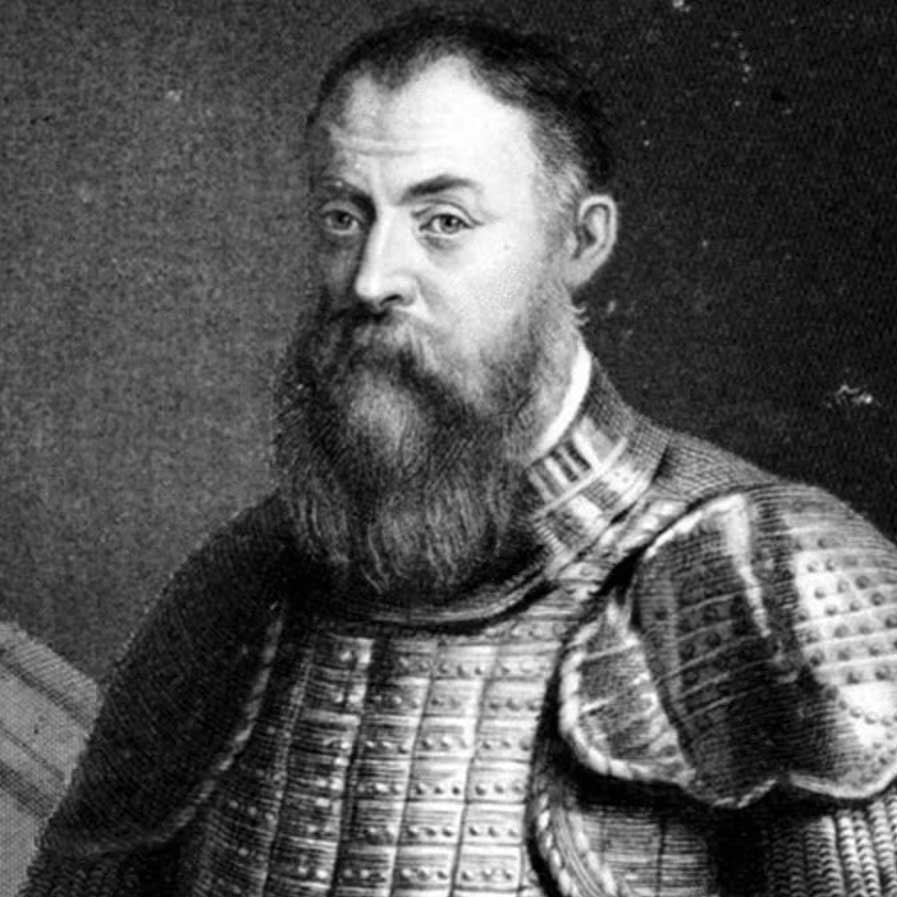
Born in Ávila into minor nobility, Don Juan del Águila dedicated his life to the Spanish military from a young age. He quickly proved himself in the grueling campaigns of Flanders, Sicily, and North Africa.
His reputation as a stern disciplinarian and tactical expert grew during the Eighty Years' War, catching the attention of the Spanish high command and eventually earning him the prestigious rank of Maestre de Campo.
The Brittany Expedition
Before stepping foot in Ireland, del Águila commanded the Spanish expeditionary force in Brittany during the French Wars of Religion in the 1590s. He successfully fortified coastal positions and repeatedly defeated English and French Protestant forces.
His specialized experience in establishing fortified beachheads in hostile territory made him the logical—if reluctant—choice to lead the amphibious assault on Kinsale years later.
The Arrival in Ireland
Dispatched by King Philip III, Don Juan del Águila arrived in Kinsale in October 1601. His mission was to secure a foothold in southern Ireland and support the rebellion of Hugh O'Neill and Red Hugh O'Donnell against the English Crown.
However, storms had scattered his fleet. He landed with far fewer men and supplies than intended, and found himself occupying a town that was strategically difficult to defend, waiting for northern allies who were hundreds of miles away.
The Brutal Siege
For months, Don Juan and his men endured a grueling siege by Lord Mountjoy's forces. Trapped within the walls of Kinsale, the Spanish troops suffered from disease, bitter cold, and relentless English artillery fire.
Despite the harsh conditions, del Águila proved to be a highly competent and resilient commander, organizing sorties and repairing breaches in the town walls to keep the English at bay while waiting desperately for O'Neill's arrival.
"We hold the walls, but the winter is a crueler enemy than the English cannons."
Capitulation and Return
On December 24, the Gaelic relief force was routed just outside the town. Unaware of the sudden defeat, Don Juan did not launch a supporting attack. Once he learned of the disaster, he recognized that further resistance was futile.
He negotiated a highly honorable surrender, allowing his men to return to Spain with their weapons and colors. However, upon returning home, he was met with suspicion and placed under house arrest, dying shortly after in 1602.