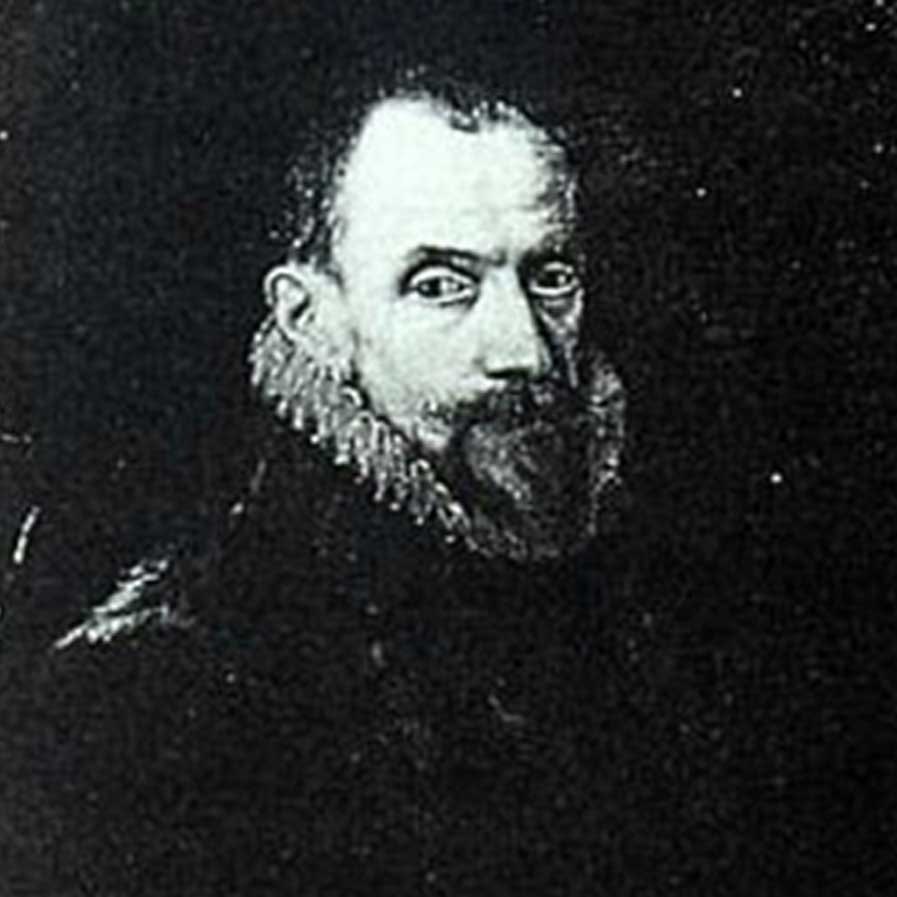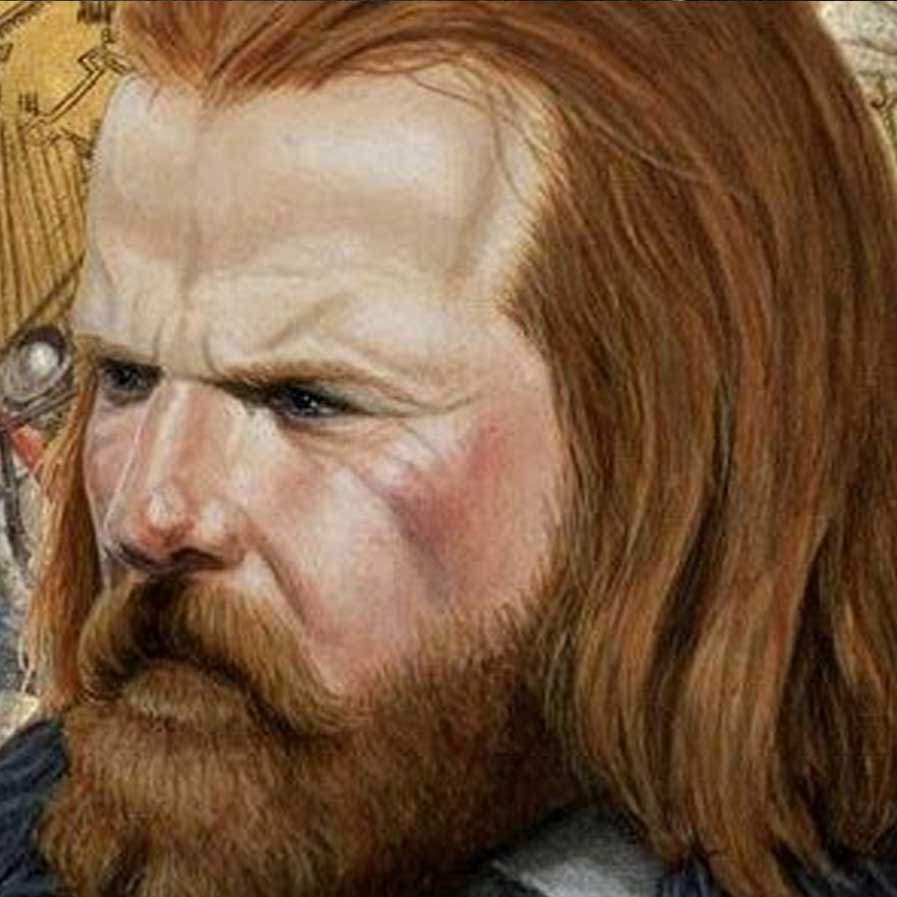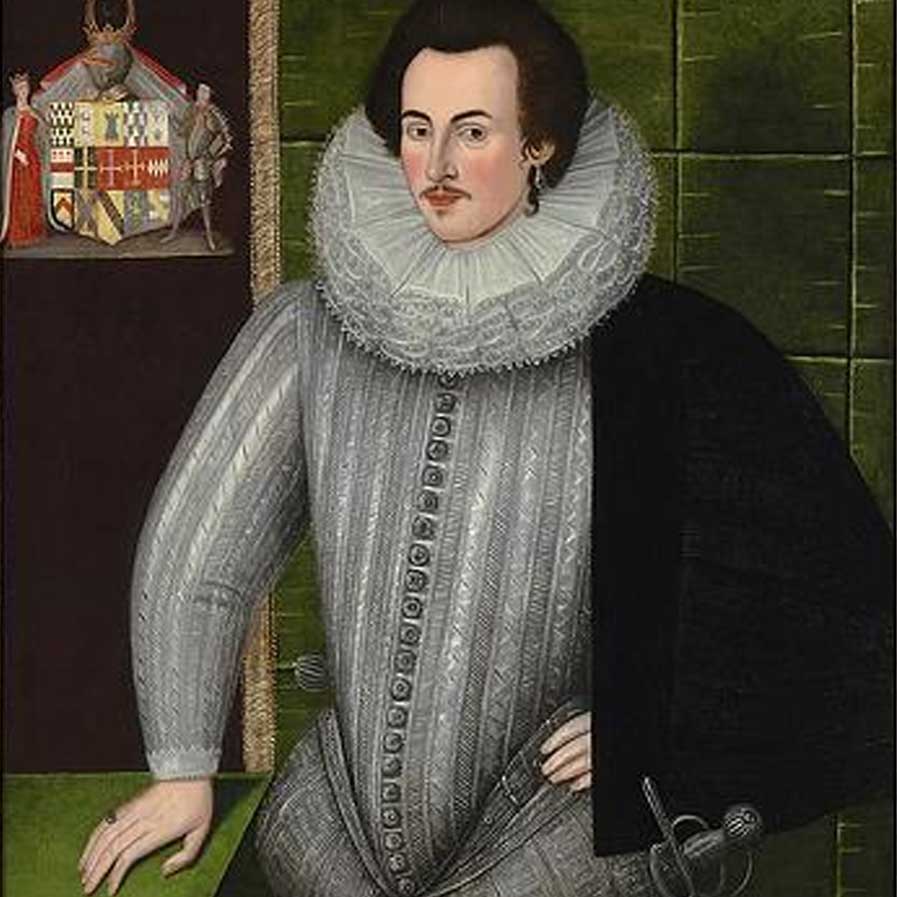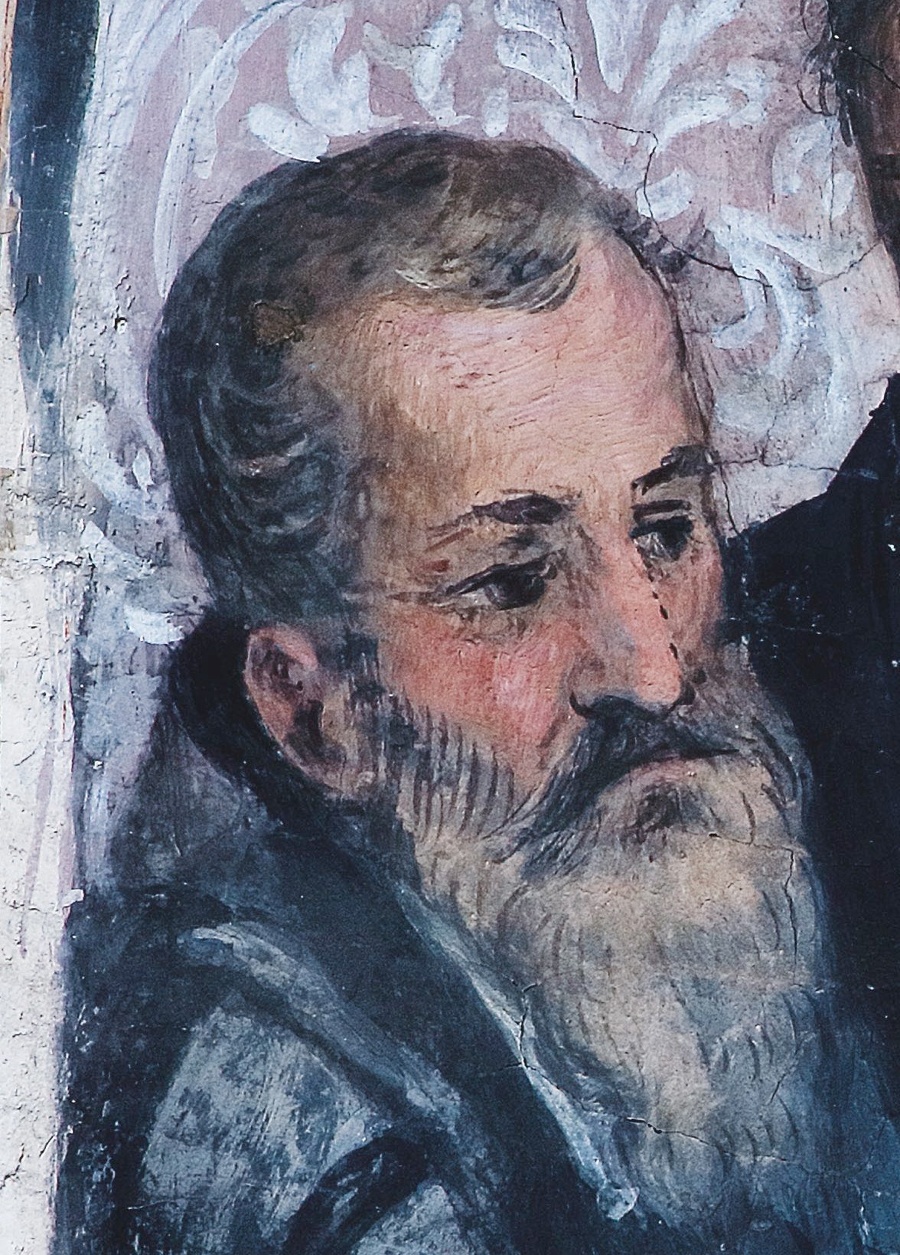
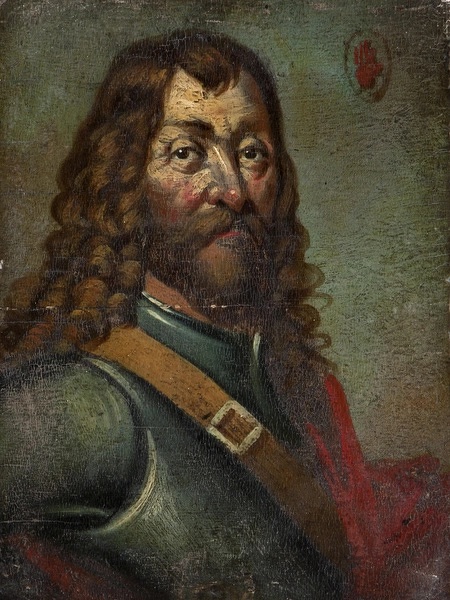
Commander Profile
- Born
- 1540
Tír Eoghain, Ireland - Died
- July 1616
Rome, Papal States - Allegiance
- Gaelic Ireland
- Rank
- Commander of the Irish Forces
The Architect of Rebellion
Hugh O'Neill spent years modernizing the Gaelic armies, transforming them from traditional raiding bands into a disciplined military force equipped with modern matchlocks and pikes.
By 1601, he had successfully waged the Nine Years' War against the English Crown, securing major victories like the Battle of the Yellow Ford and establishing absolute dominance over the northern province of Ulster.
The Spanish Dilemma
When news arrived in late 1601 that the long-awaited Spanish expeditionary force under Don Juan del Águila had landed in Kinsale, it presented O'Neill with a strategic nightmare.
The Spanish had landed at the extreme southern tip of Ireland, forcing O'Neill to abandon his highly defensible northern strongholds and undertake a perilous winter march across the country.
The Great March South
Despite immense logistical challenges, O'Neill successfully mobilized his forces and marched south in the dead of winter.
Navigating hostile territories, flooded rivers, and treacherous weather, he managed to arrive outside Kinsale with his army largely intact, demonstrating exceptional leadership and organizational skill.
The Tactical Standoff
Upon arriving at Kinsale, O'Neill successfully blockaded the besieging English army, cutting off their supply lines. For weeks, a tense standoff ensued: the Spanish were trapped inside the walls by the English, while the English were trapped outside by the Gaelic forces.
O'Neill favoured starving the freezing, disease-ridden English army into submission, but was eventually pressured by his allies and the Spanish into launching a direct assault.
"We hold the walls, but the winter is a crueler enemy than the English cannons."
The Disaster at Dawn
On the morning of December 24, 1601, O'Neill's planned night march to link up with the Spanish descended into chaos due to extreme thunderstorms and poor visibility.
Losing the element of surprise, his vanguard was caught out of formation in the boggy terrain and was shattered by a devastating, unexpected charge from the English cavalry, causing the entire Gaelic army to panic and rout.
The Bitter End
Following the catastrophic defeat, O'Neill retreated to Ulster, where he fought a bitter, diminishing guerrilla campaign for another year. He finally surrendered to Mountjoy in 1603 at the Treaty of Mellifont, but continuous English harassment and the erosion of his power eventually forced him to flee to the continent in 1607—the legendary Flight of the Earls—where he died in exile in Rome.
Without O'Neill the various families were never united again.