Faction Profile
- Formed
- Mid-16th Century
Kingdom of England - Dissolved
- Post-1603
Peace of London Transition - Allegiance
- Queen Elizabeth I / English Crown
- Primary Faction Type
- Professional Royal Infantry & Heavy Cavalry
The Royal Army
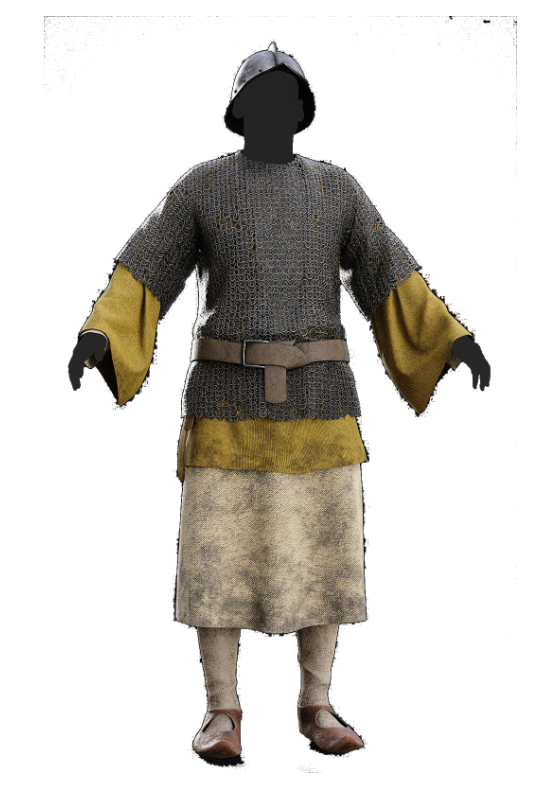
The English forces at Kinsale represented the military power of the Tudor state. They were highly disciplined professional soldiers organized into strategic companies of pikes and musketeers.
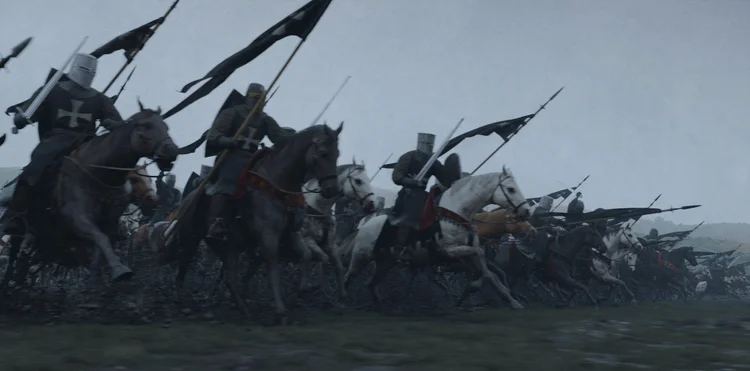
Equipped with heavy steel armor and standardized armaments, they relied on standardized company structures, synchronized fire tactics, and devastating cavalry charges to control the battlefield.
The Irish Campaigns
The Nine Years' War had placed a severe financial strain on the English treasury. Initial attempts to suppress the rebellion had failed, notably under the Earl of Essex's disastrous campaign.
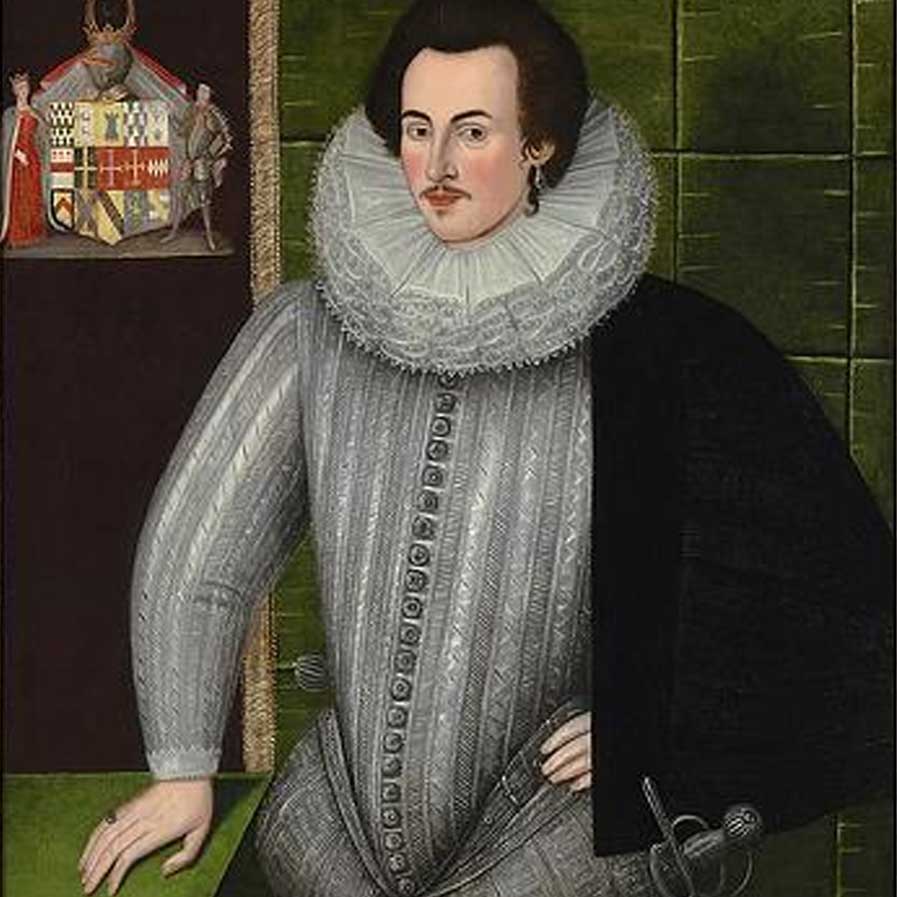
In 1600, Charles Blount, Lord Mountjoy, was dispatched to restore crown control. He constructed a grid of regional garrison outposts, choking off supply corridors and isolating the rebel forces.
The Siege Mobilisation
When the Spanish army seized Kinsale in October 1601, Mountjoy reacted with extreme speed, marching his army south to throw up massive siege fortifications before the Spanish could unite with the rebel lords.
The English forces maintained tight pressure, raising earthen battlements and deploying heavy artillery batteries to blockade both the harbor entrance and land gates.
The Double Siege
By December, the English force faced a strategic crisis. The arrival of O'Neill and O'Donnell surrounded the English army from the outside, turning the siege into a deadly double encirclement.
Trapped in a freezing, mud-soaked environment with rising casualties from dysentery and cold, the English troops remained steadfast, maintaining their defensive grid despite absolute logistical isolation.
"Discipline and patient execution are the ultimate shields of the crown in the face of rebel numbers."
The Decisive Victory
On Christmas Eve, 1601, O'Neill's pre-dawn assault fell into confusion. Recognizing their disorganization, Mountjoy launched a disciplined cavalry charge that shattered the Irish vanguard and routed the relief army.
This decisive victory forced the Spanish inside Kinsale to surrender. It broke the back of the Gaelic confederacy, leading directly to the Treaty of Mellifont in 1603 and consolidating English control over all Ireland.