Faction Profile
- Formed
- Antiquity
Gaelic Clans of Ireland - Dissolved
- Post-1603
Treaty of Mellifont - Allegiance
- Gaelic Irish Confederacy
- Primary Faction Type
- Light Infantry & Chieftain Levies
The Clan Warriors
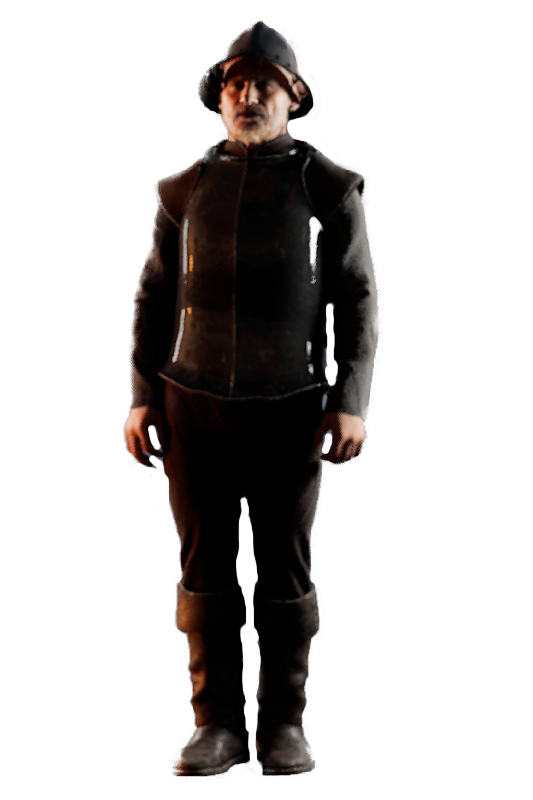
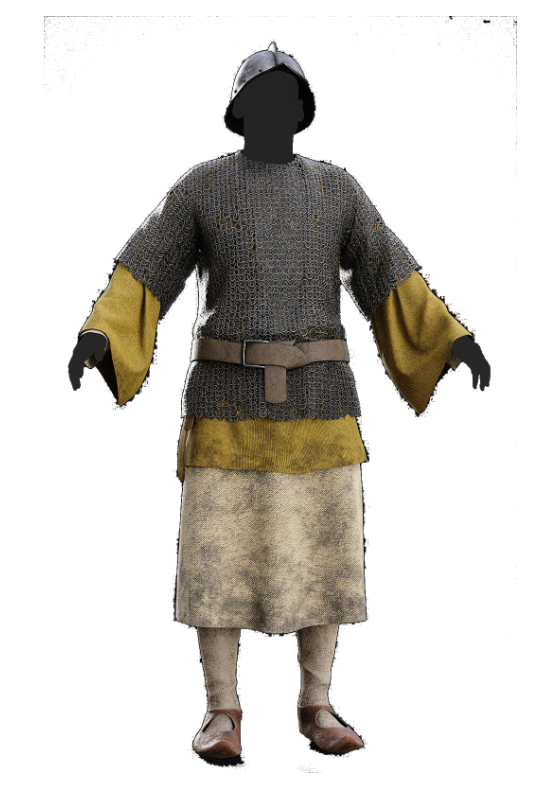
The core of the Gaelic Irish forces comprised Wood Kerns—lightly armored infantry celebrated for speed, mobility, and ambush tactics. They typically fought using swords, bows, and throwing darts.
To stand against standard English crown troops, Hugh O'Neill restructured the clan levies, modernizing their equipment with pikes and matchlocks, and bringing discipline to their military structure.
The Nine Years' War
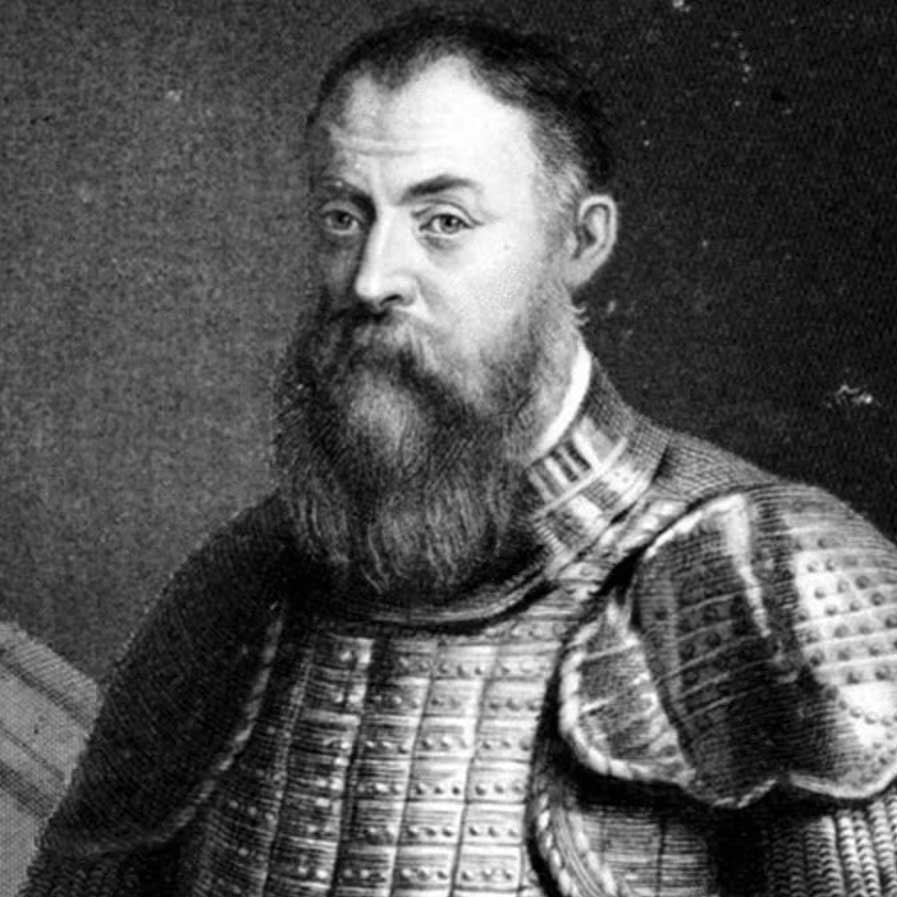
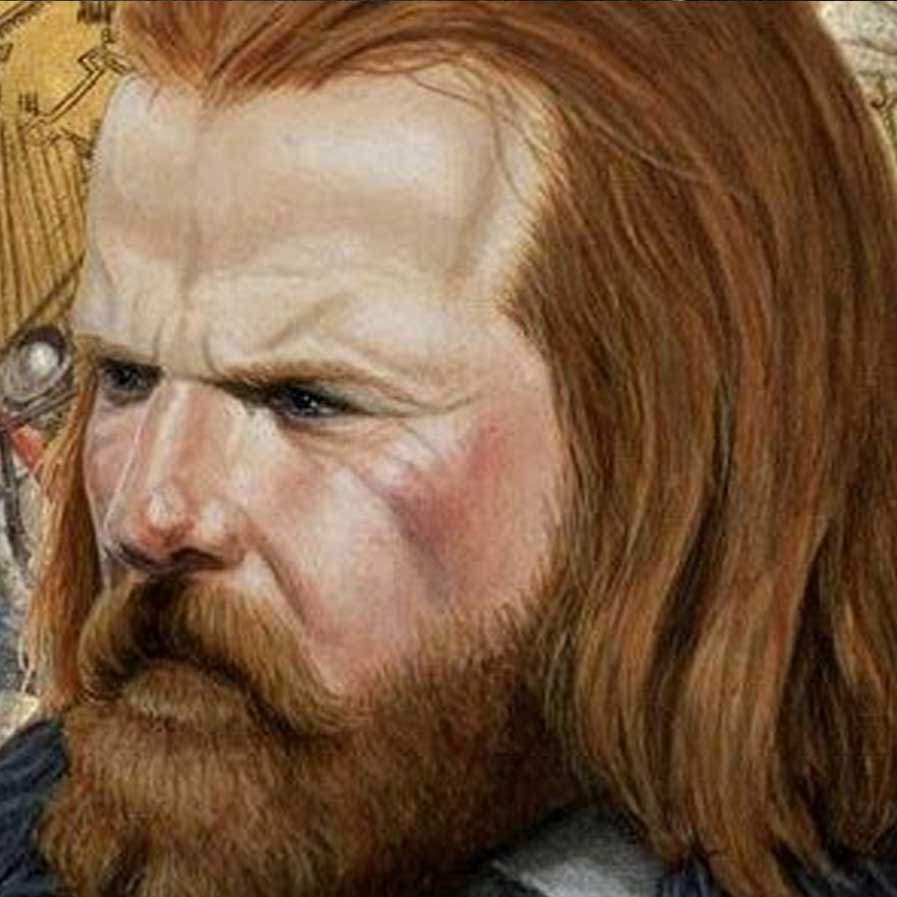
Beginning in 1594, O'Neill and Red Hugh O'Donnell led a formidable confederacy of northern clans. They fought to halt the consolidation of English administrative rule over their territories.
They achieved stunning tactical victories, notably at the Battle of the Yellow Ford in 1598, which shattered the English military command in Ireland and established Ulster's total independence.
The Spanish Alliance
Recognizing the limitations of a defensive clan campaign, the Irish lords actively petitioned King Philip III of Spain for support. The arrival of a Spanish force at Kinsale presented a double-edged sword.
It offered critical military aid, but forced the northern armies to abandon their secure, defensible territories and march south through a harsh, freezing winter across the width of Ireland.
The Clash at Kinsale
Upon reaching Kinsale, the Gaelic army successfully blockaded Lord Mountjoy's besieging force. O'Neill favored starving the disease-ridden English, but was pressured into launching a joint assault.
On the pitch-black morning of Christmas Eve, 1601, O'Neill's night march descended into chaos. Caught out of formation in the boggy ground, the vanguard was crushed by an English cavalry charge.
"We fought not just for land, but to preserve the language, laws, and freedom of our ancient clans."
The Legacy
The catastrophe at Kinsale broke the spine of the Gaelic resistance. Red Hugh O'Donnell sailed to Spain in a failed effort to get further assistance, while O'Neill retreated north to wage a desperate guerrilla campaign.
O'Neill's submission at the Treaty of Mellifont in 1603 marked the formal end of sovereign Gaelic authority, leading directly to the Flight of the Earls in 1607 and the systematic plantation of Ulster.